The Myth of the “Naturally Brilliant” Student

“I was the valedictorian of my high school and I scored a 1760 the first time I took the SAT.” That is how Prep Expert® founder Dr. Shaan Patel answered the question of whether he was always a strong test-taker. For context, while today’s SAT uses a 1600-point scale, that score was earned on the test’s previous 2400-point scale. In other words, it wasn’t a bad score, but it was…
Read MoreHow Many Times Should You Take the SAT? Most Students Stop Taking the SAT One Sitting Too Early

There is a right answer to this question, and most families don’t land on it. Some students take the SAT exactly once, trust the result, and submit it to colleges regardless of what the number actually says about their ability. Other students take the test five or six times, grinding away at a score that stopped improving three attempts ago, often producing a worse final submission than if they had…
Read MoreThe Test AI Can’t Take for You: Why SAT Prep Now Means Learning to Think, Not Memorize

The College Board published research on 23rd September finding that 92% of AP teachers surveyed worry generative AI will leave students overly dependent on technology for basic tasks, and 90% worry students will be less likely to develop critical thinking as AI use grows. The brief, Teacher Perceptions of GenAI in AP Course Redesign, draws on surveys and focus groups with thousands of AP teachers conducted between April 2025 and…
Read MoreSAT Modules: What Are They and How Do Adaptive Modules Work?

If you’re preparing for the SAT, you’ve probably heard a lot of familiar terms: Reading and Writing, Math, sections, questions, scores. But the digital SAT added another term students need to understand: modules. Modules are more than just a new name for parts of the test. They are central to the SAT’s adaptive format. How you perform on the first module of a section helps determine the questions you see…
Read MoreThe Night Before the SAT: What to Do (and What to Absolutely Avoid)

The 24 hours before a standardized test are more consequential than most students realize. Not because you can learn anything new in that window (you can’t), but because you can undo months of preparation through a small number of specific mistakes. Students who did the hard work all summer and fall can walk into the test tired, unfocused, and anxious because of choices they made the previous evening. Other students,…
Read MoreOne October Morning: How a PSAT Score Turns into Six Figures of Scholarship Money

At the University of Oklahoma, a resident National Merit Finalist entering in autumn 2026 is offered a package the university publishes at $146,850. The non-resident package is published at $153,450. Both are built on a tuition waiver covering 100 percent of tuition for up to five years, with further awards stacked on top. The qualifying exam for that money is the PSAT/NMSQT, taken on a single Wednesday morning in October…
Read MoreACT Requirements: What Students Need to Know Before Test Day
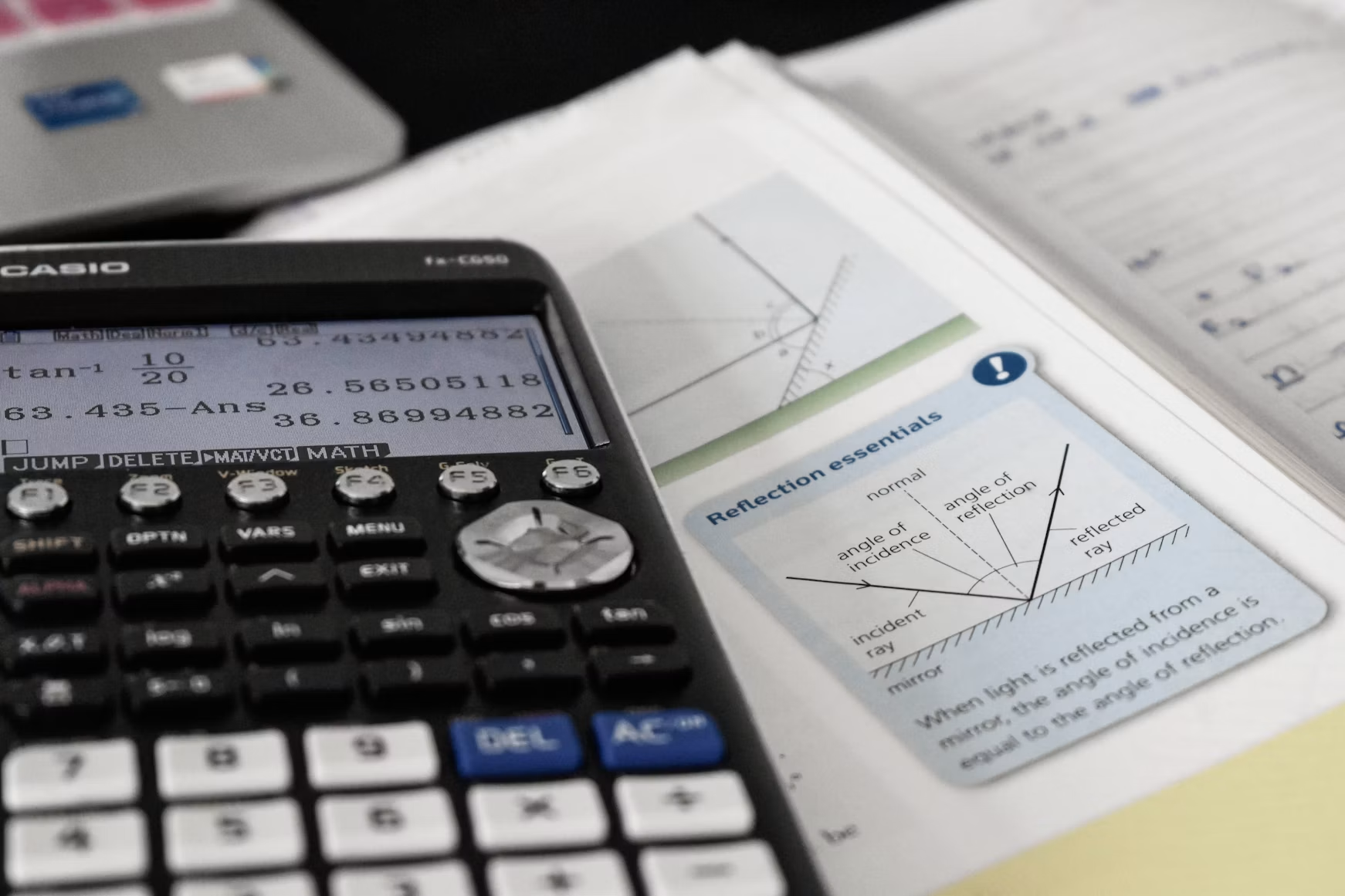
The ACT does not require a minimum GPA, a particular high school course, or a qualifying practice score. However, students must meet several registration and test-day requirements before they can receive an official score. Those requirements include registering by the appropriate deadline, submitting an acceptable photo, bringing valid identification, arriving on time, following calculator and electronic-device rules, and obtaining advance approval for any accommodations. Students taking the ACT online with…
Read MoreThe SAT is Back at the Top Schools: Here’s What Your Family Should do this Month
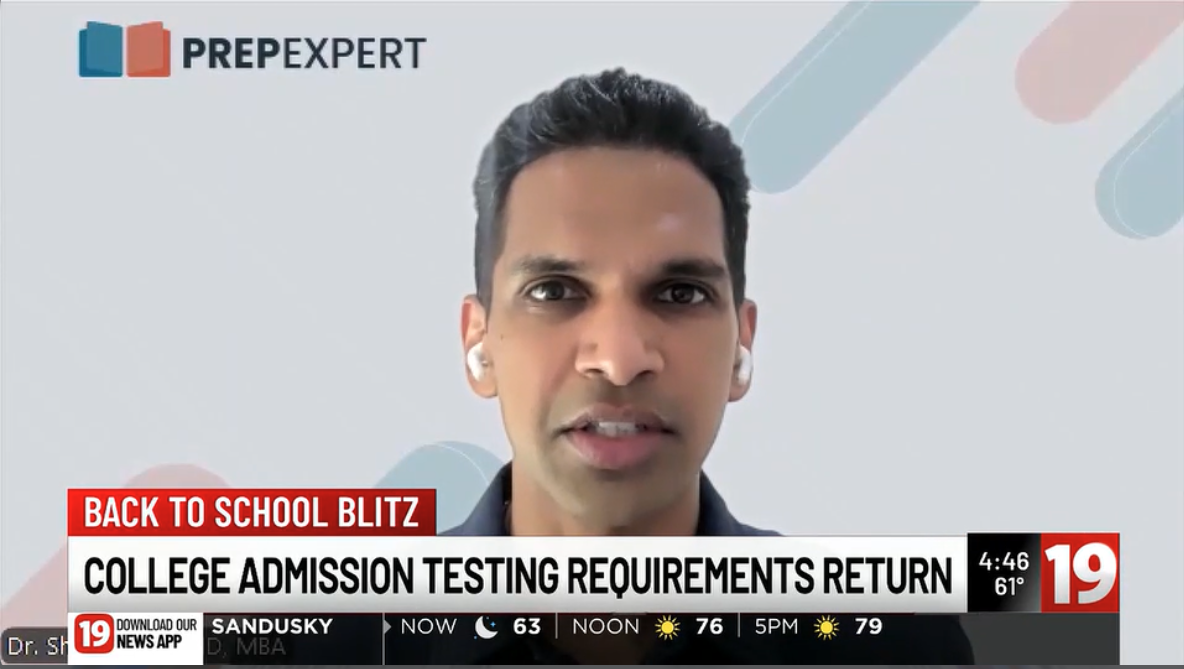
https://vimeo.com/1223129515 Six of the eight Ivy League schools require an SAT or ACT score from first-year applicants in the 2026-27 cycle: Harvard, Yale, Penn, Brown, Dartmouth and Cornell. Princeton and Columbia are in their final test-optional year and require scores from 2027-28. Across the wider Ivy Plus group, nine of twelve institutions have reinstated, including MIT, Stanford and Caltech. Georgetown never adopted a test-optional policy at all, and MIT required…
Read MoreHow Do Admissions Officers Read Applications?

Admissions officers usually do not open applications in the exact order students press “Submit.” Rolling-admission colleges often review complete files as they arrive. Colleges with fixed early or regular deadlines may sort applications by admission round, geographic region, high school, intended program, or reader assignment. Inside the file, readers usually establish academic and personal context first, then evaluate the transcript, activities, essays, recommendations, and any test scores the college considers.…
Read MoreForget the Brand Name: Parent’s Here’s What Actually Predicts Whether a Test Prep Program Works

Two programs at the same price can produce completely different outcomes, and the difference is invisible from the website The SAT went fully digital in 2024 and the ACT changed its format in 2025. Any prep program still teaching from pre-2024 materials is preparing students for a test that no longer exists. Whether a given program has updated is not something a parent can determine from a landing page, and…
Read More