Test-Taking Strategies for Students

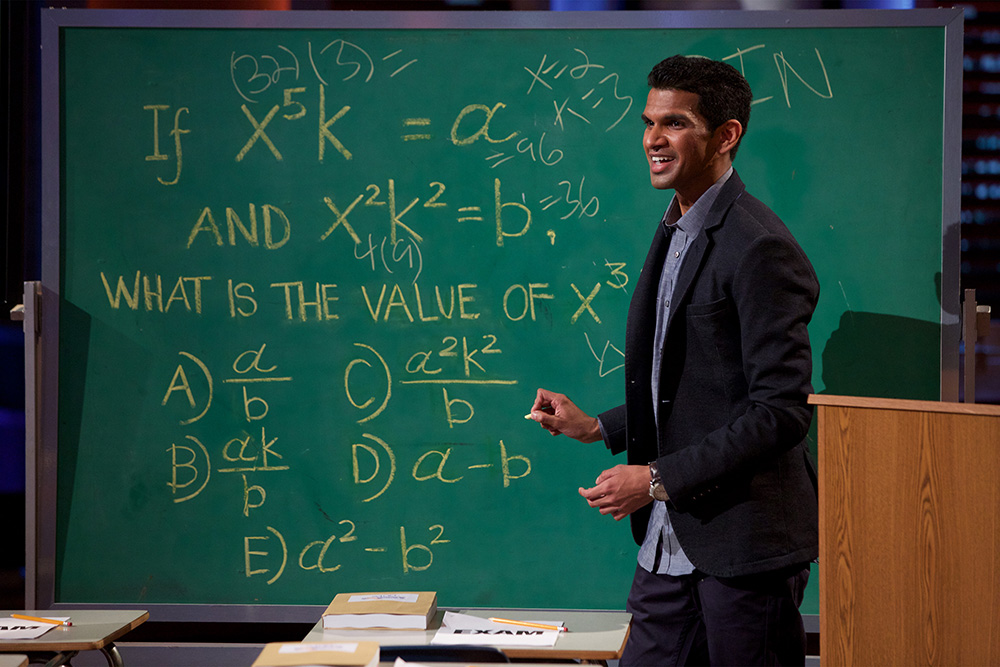
Does thinking about the SAT or ACT fill your mind with doom? Do you find yourself dragging your feet or mysteriously finding something else to do whenever you start thinking about test prep? Does it seem overwhelming to pin your academic future on the results of a single standardized test? If so, you’re thinking about these tests wrong! And you aren’t alone. Most students don’t know how to study for the SAT or ACT, leading to panic, misery, and ultimately lower scores. But that doesn’t have to be you (or your student, if you’re a parent)!
Instead of panicking or dreading the SAT and ACT, you need to learn how to approach these tests strategically. It’s the best way to succeed and get high scores. And you don’t have to do it alone; we’re here to help you learn these strategies for yourself.
Adopting a Strategic Mindset
The first strategy you should adopt if you want to succeed on standardized tests is a mindset shift. You need to understand that these tests are not designed like the tests you take in school. When you take a test in a subject, it’s a test of your ability to retain information and synthesize what you’ve learned. The SAT and ACT are not like that. You aren’t expected to know everything on the test and work through every problem and equation step by step. You don’t have to know everything to get a high score on your college admission standardized tests.
Instead, what these tests are actually designed to measure is your ability… to take tests. And that’s more important than you might think! Think about it this way: What skills go into test-taking? It’s not just your skills in language arts and math. It’s your ability to manage time, to clearly read directions, to quickly make assessments of new information, to eliminate distractions, and to demonstrate that you can work well under pressure.
When you look at the tests this way, the way forward becomes clearer. Instead of cramming or approaching the test as one massive obstacle, strategic thinking makes it easier to break down the test into a series of more manageable skills to master.
Understanding the Test Format
One of the most effective ways to reduce test-day stress is to become familiar with the structure of the exam. The SAT and ACT are predictable in how they’re organized, which means the more you know about the sections, timing, and question types, the better prepared you’ll feel. It’s like learning the layout of a new city before driving through it. You’ll be far less likely to make a wrong turn if you already know the streets and landmarks.
This doesn’t mean memorizing every possible math equation or grammar rule. Instead, it’s about knowing what’s coming. If you’re taking the SAT, expect two math sections, reading passages that require evidence-based answers, and a writing and language portion. The ACT has English, math, reading, and two optional sections: science and an essay. When you understand how the sections flow, you can plan your energy and time distribution accordingly. That familiarity itself can add points to your score because you won’t be burning mental energy on surprise.
Time Management Matters
Perhaps the most overlooked skill in test prep is managing time effectively. Standardized tests you’ve taken in school give you a taste of this, but the SAT and ACT put your pacing skills to the test in a much sharper way. You may have less than a minute per question in some sections, which makes lingering on a single problem a dangerous habit.
The best strategy is to practice moving quickly and decisively. Learn to identify questions that can be answered in seconds, and leave tougher ones for later. On a timed test, every problem is not worth equal effort. Think of your time as currency: if a single question is draining too much of it, step away and invest that time into questions you know you can answer. Students often discover that skipping a question and returning later helps prevent panic and preserves confidence throughout the test. But remember: you can’t return to sections once they’re over, so be sure not to slow down at the end if you’ve skipped questions!
Practicing Active Reading
Both the SAT and ACT include sections that test your reading comprehension, but the way they do it can feel very different from classroom reading. Instead of carefully studying every sentence, you’ll need to develop active reading habits that let you grasp the main ideas quickly. This means training yourself to look for structure in passages: introductions, arguments, evidence, and conclusions.
One practical approach is to skim the questions first before reading the passage. That way, you’ll know what details to pay extra attention to while reading. Another helpful method is annotating as you go. The software that lets you take the SAT and ACT has built-in tools to let you take notes and highlight parts of a passage.This gives your brain anchors to return to, which makes it easier to find evidence when the questions ask for it. Over time, practicing this skill will make reading passages feel less like a marathon and more like a series of manageable checkpoints.
Learning to Guess Strategically
A surprising number of students waste time agonizing over questions they don’t fully understand. The reality is that guessing is a part of standardized test-taking. On both the SAT and ACT, there’s no penalty for wrong answers, which means leaving a question blank is always worse than putting down your best guess. But don’t just guess blindly; instead, you need to learn how to guess strategically.
Strategic guessing is not the same as blind guessing. It involves eliminating clearly wrong choices and then making an informed decision among the remaining ones. If you can rule out even one option, your chances of being correct go up significantly. And sometimes, paying attention to wording or recognizing that two answers are saying the same thing in different ways can help you narrow it down even further. Treat guessing as a skill to develop, not as something to avoid.
Reducing Test Anxiety
Even the most prepared students can find themselves struggling with test-day nerves. Anxiety can cloud judgment, slow down recall, and make easy questions suddenly seem impossible. Learning to manage this stress is just as important as reviewing algebra or grammar rules.
One of the best ways to reduce test anxiety is to practice under test conditions and simulate the test environment as much as possible during practice. Sit at a desk, set a timer, and remove distractions. That way, the conditions of the actual exam won’t feel foreign, and your brain will slip into familiar routines more easily. Building confidence in your ability to handle the pressure is one of the best antidotes to anxiety.
Using Practice Tests Wisely
It’s easy to misunderstand the role of practice tests. They’re not just about seeing your score; they’re diagnostic tools. Each time you take one, the most valuable part isn’t the number at the end but the mistakes you made along the way. After finishing a practice test, spend time reviewing every missed question. Ask yourself why you got it wrong. Was it a content gap, a careless error, or a timing issue? Each type of mistake requires a different fix.
As you take practice tests, you’ll begin to see patterns in your performance, which allows you to make targeted improvements. Over time, you’ll notice your score rising not by accident but as the result of conscious adjustments.
Balancing Content Review and Strategy
Some students swing too far in either direction: they either bury themselves in memorization or rely entirely on test-taking tricks without shoring up weaknesses. The truth is that success comes from balancing both. You do need to brush up on content knowledge, especially in math and grammar, because strategy won’t help if you genuinely don’t understand the material.
At the same time, test strategy is what turns that knowledge into points under pressure. For example, brushing up on geometry formulas is essential, but learning how to spot which problems are time-traps helps you apply that knowledge effectively. Think of content review as building your toolbox and strategy as learning when and how to use the tools inside it.
Building Confidence in Your Abilities
Perhaps the most important part of preparing for standardized tests is building self-belief. Too many students convince themselves that they are “bad test-takers” before they even start. That mindset becomes a self-fulfilling prophecy. Confidence doesn’t mean arrogance; it means trusting that your preparation has equipped you to handle what’s in front of you.
Each strategy you practice is a step toward that confidence. Each improvement, no matter how small, adds to your sense of readiness. By the time you sit down for the real exam, your brain and body will have been through these motions many times before. That familiarity transforms fear into focus, which is the real secret to success.
The SAT and ACT can feel intimidating, but they are far from impossible. With the right strategies, steady practice, and a healthy mindset, you can approach them with confidence. Remember, these exams are not designed to measure your worth as a person or your total intelligence. They are structured challenges that reward preparation and skill, and they’re just part of what colleges are looking for in your admissions application. By treating them as opportunities to demonstrate your abilities under pressure, you shift from being overwhelmed to being empowered. If you’re ready to learn how to master these strategies, Prep Expert® is here to help. Browse our catalog of test prep classes for the SAT and ACT and find the option that works for you.
Written by Dr. Shaan Patel MD MBA
Prep Expert Founder & CEO
Shark Tank Winner, Perfect SAT Scorer, Dermatologist, & #1 Bestselling AuthorMore from Dr. Shaan Patel MD MBA


Last Minute SAT Review: How To Make It Count
In an ideal world, the night before your SAT starts with a healthy dinner and ends with you getting at…

Always Run Out of Time on the SAT/ACT? The Pacing System Prep Expert® Students Use to Finish Calm and Boost Scores
Finishing the SAT, ACT, or PSAT on time isn’t just a “nice bonus.” For many students, pacing is the hidden…

AI and the ACT: Where Students Go Wrong
If you’re a high school student, the odds are good that you’ve used AI– a new report from the Center…